
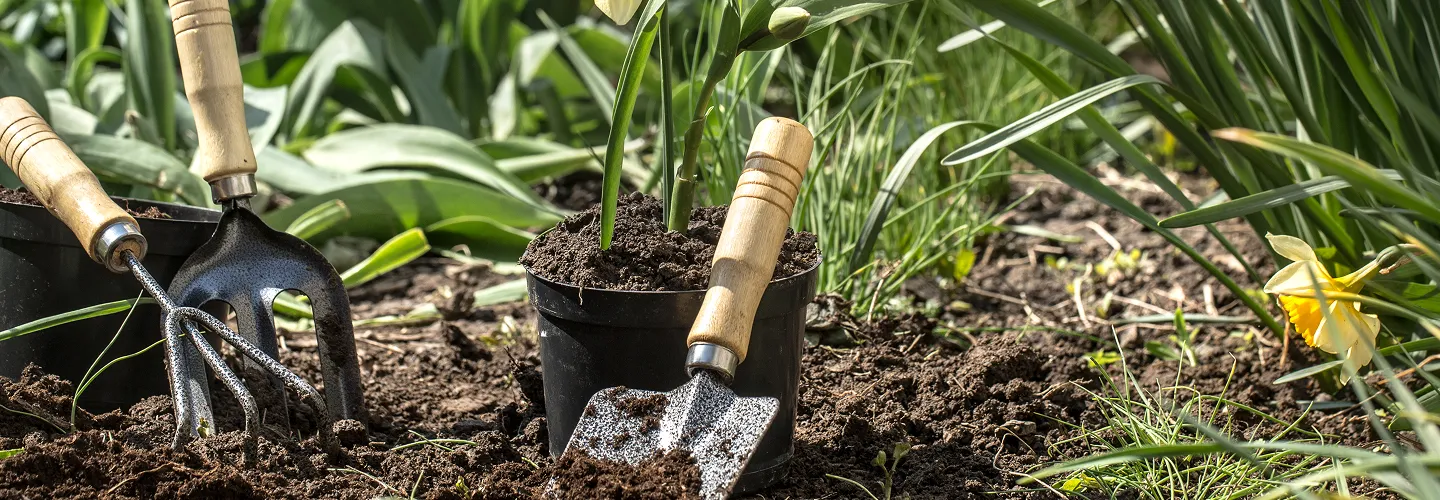
Brandon Flower Planting Services
Choose us for vibrant, expertly arranged flower beds that boost your home's curb appeal and bring lasting beauty to your outdoor spaces.
Get a Free QuoteOur Brandon Landscaping & Yard Care Services
When to Schedule Flower Planting in Brandon, Florida – Seasonal Guide
Flower planting in Brandon, Florida, is best scheduled with careful attention to our region’s unique subtropical climate. The optimal planting windows are typically late winter through early spring (February to April) and again in early fall (September to October), when temperatures are moderate and rainfall is more predictable. These periods help new blooms establish strong roots before the intense summer heat or occasional winter chills. Neighborhoods near Lithia Springs Park or along the shaded avenues of Bloomingdale benefit from microclimates that may extend planting opportunities, while areas closer to the Alafia River might experience higher humidity and richer soils, ideal for a wider variety of flowers.
Local environmental factors play a significant role in determining the best time for flower planting. Brandon’s last frost date usually falls in early February, but gardeners should remain vigilant for unexpected cold snaps. Soil composition varies from sandy loam in the Providence Lakes area to denser clay near Seffner, affecting drainage and nutrient retention. Homeowners should also consider municipal watering restrictions and the risk of drought, especially during late spring. For more detailed local guidelines, visit the official town resource.
Local Factors to Consider for Flower Planting in Brandon
- Proximity to mature trees and shade coverage (e.g., neighborhoods like Sterling Ranch)
- Soil type and drainage, which can vary across subdivisions
- Average precipitation and risk of drought during late spring and summer
- Frost dates and the potential for late-season cold snaps
- Municipal watering restrictions and local ordinances
- Terrain and elevation, especially in areas near the Alafia River
- Sun exposure based on lot orientation and surrounding structures
Benefits of Flower Planting in Brandon
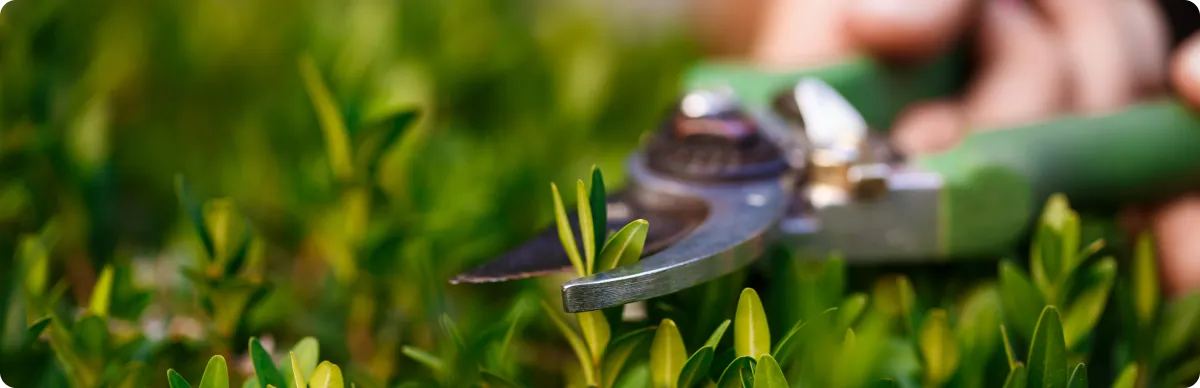
Expert Local Knowledge
Customized Landscape Designs
Seasonal Plant Selection
Enhanced Curb Appeal
Eco-Friendly Practices
Reliable Maintenance Services
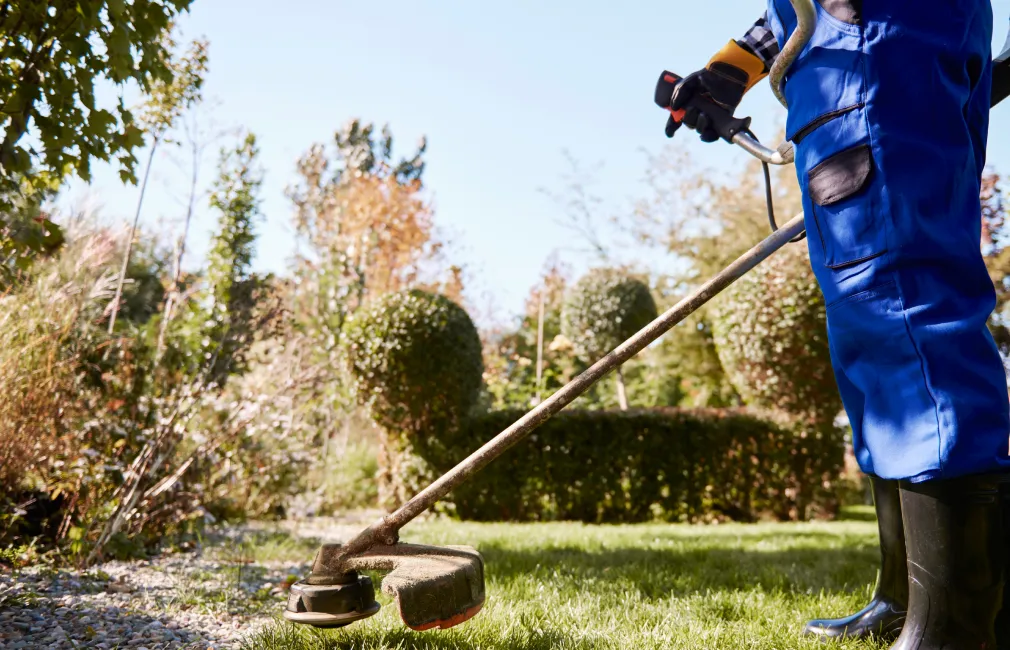
Brandon Flower Planting Types

Perennial Flower Beds
-
Annual Flower Displays
-
Native Wildflower Gardens
-
Seasonal Bulb Plantings
-
Pollinator-Friendly Gardens
-
Shade Garden Plantings
-
Container Flower Arrangements
Our Flower Planting Process
Site Evaluation
Soil Preparation
Plant Selection
Careful Planting
Watering and Mulching
Why Choose Brandon Landscape Services
-
Brandon Homeowners Trust Us
-
Expert Lawn Maintenance
-
Competitive Pricing
-
Professional Team
-
Satisfaction Guarantee
-
Personalized Service
-
Reliable Scheduling
Coordinating Flower Planting with Brandon’s Parks and Public Works Departments
Flower planting in Brandon, FL, often involves coordination with municipal departments, especially when projects are near public rights-of-way, parks, or drainage features. For any planting along public medians, parkways, or adjacent to stormwater infrastructure, residents and property managers should verify if review or notification is required by the county. The Hillsborough County Public Works Department oversees maintenance of drainage systems and may provide guidance on protecting swales and storm drains from soil disturbance or runoff during planting. For projects in public parks or community spaces, the Brandon Park and Recreation Center can advise on approved plant palettes and maintenance standards. Practical next steps include reviewing site boundaries, confirming if the area is public or private, and consulting the relevant department before beginning any large-scale planting or landscape modification.
Hillsborough County Public Works Department
601 E. Kennedy Blvd., Tampa, FL 33602
Official Website: Hillsborough County Public Works Department
Brandon Park and Recreation Center
502 E. Sadie St., Brandon, FL 33510
Official Website: Brandon Park and Recreation Center
How Brandon’s Central Florida Conditions Shape Flower Planting Success
Brandon is situated in the Central Florida / Inland Peninsula region, which brings unique environmental factors to flower planting. The area experiences high summer heat and humidity, with a pronounced wet season from late spring through early fall. Soils are typically sandy or fill-based, leading to rapid drainage and potential nutrient leaching. These conditions require careful plant selection and soil amendment to ensure healthy establishment. Additionally, the high water table in some neighborhoods can affect root development and may necessitate raised beds or improved drainage. Residents should also be mindful of runoff, as heavy rains can quickly transport soil and mulch into nearby swales, ponds, or storm drains, impacting local water quality. For more on local soils, consult the USDA Web Soil Survey, and for climate-adapted plant choices, refer to the USDA Plant Hardiness Zone Map.
Key local conditions include:
- Sandy, fast-draining soils that may require organic amendments
- Intense summer rainfall and humidity, increasing fungal pressure
- High water table and potential for periodic flooding in low-lying areas
Regulatory and Environmental Compliance for Flower Planting in Brandon
Flower planting in Brandon must comply with both local and state regulations, particularly when projects are near stormwater features or public property. The Environmental Protection Commission of Hillsborough County (EPCHC) provides oversight on water quality and environmental permitting, especially for projects adjacent to canals, lakes, or wetlands. Florida’s Model Ordinance for Florida-Friendly Fertilizer Use on Urban Landscapes restricts fertilizer application during certain periods and near water bodies to prevent nutrient runoff. Additionally, the Florida DEP NPDES Stormwater Program outlines requirements for managing runoff from landscape projects. For planting in public spaces or near rights-of-way, review may be required by Hillsborough County Development Services. Always confirm current requirements before starting work, as local thresholds and review processes may change.
Environmental Protection Commission of Hillsborough County
3629 Queen Palm Dr., Tampa, FL 33619
Official Website: Environmental Protection Commission of Hillsborough County
Hillsborough County Development Services
601 E. Kennedy Blvd., Tampa, FL 33602
Official Website: Hillsborough County Development Services
Professional Methods and Seasonal Timing for Flower Planting in Brandon
Successful flower planting in Brandon depends on adapting methods to the region’s climate and soil. The optimal planting windows are typically late winter through early spring and again in early fall, avoiding the peak summer heat and heavy rainfall. Soil preparation is critical: incorporate organic matter to improve water retention and nutrient availability in sandy soils. Select flower species rated for USDA Hardiness Zone 9b, which are tolerant of heat, humidity, and periodic drought. Mulch beds to conserve moisture and suppress weeds, but keep mulch away from storm drains to prevent clogging. Irrigation should be efficient, using drip or soaker hoses to minimize evaporation and runoff. For guidance on water-efficient landscaping, see EPA WaterSense Outdoors. Key professional standards include:
- Amending sandy soils with compost before planting
- Planting during cooler months to reduce transplant shock
- Using mulch at a depth of 2-3 inches, avoiding direct contact with stems
- Grouping plants by water needs (hydrozoning) to improve irrigation efficiency
What Neighborhoods Do We Serve Throughout Brandon, FL?
- Bloomingdale: Features mature landscaping, larger lots, and established shade trees, requiring careful plant selection for both sun and partial shade.
- Providence Lakes: Known for newer subdivision fill soils and HOA-managed common areas, with irrigation systems common throughout the neighborhood.
- Heather Lakes: Contains a mix of older and newer homes, with variable drainage and proximity to ponds and retention basins.
- Sterling Ranch: Characterized by smaller lots, efficient irrigation, and close proximity to stormwater swales and greenways.
- Southwood Hills: Offers larger, wooded lots with both sun and deep shade, and a mix of native and ornamental plantings.
- Brandon Hills: Features established neighborhoods with mature trees, older fill soils, and a variety of lot sizes, often adjacent to drainage features.
- Lakeview Village: Includes homes near lakes and canals, where runoff management and water-friendly plant choices are especially important.